

Planning a first trip to Greece with a large crowd takes careful thought. Friends, families, sports clubs, school classes and company teams all want different things from the same holiday. Well-chosen Greece tours solve most of that puzzle. They pair famous ruins with relaxing sea days, delicious food and convenient transport so everyone travels together.
This guide from My Greece Tours starts where most journeys begin, in Athens. It then follows the road to the great historic sites of the mainland and crosses the sea to Crete, the Ionian and the Cyclades. Each stop covers the top sights, the tour styles that suit groups and the services included.
Where Should Greece Tours For Groups Start In Athens?
Greece tours for groups should start in Athens. The Acropolis, excellent museums and easy day trips all sit close together, so the group finds its rhythm before travelling further. Sites such as Greece tours and Tours In Greece show how one comfortable city base opens the door to the whole country.
What are the top sights for groups in Athens?
The Acropolis rises above the city like a stone crown. On top stands the Parthenon, a marble temple for the goddess Athena. Beside it, the Erechtheion shows off a famous porch held up by statues of women instead of ordinary columns. Groups should climb early, before the midday heat and the crowds arrive.
Below the hill, the Acropolis Museum protects the original treasures from wind and rain. Its glass floors reveal ancient streets beneath the building. Nearby lies the Ancient Agora, the market square where citizens once shopped and argued about politics. Its Stoa of Attalos, a long covered porch, was rebuilt and now holds a museum.
The Temple of Olympian Zeus, built for the king of the gods, keeps a few giant columns standing. Plaka’s lanes wind up to Anafiotika, a cluster of white houses resembling an island village. Monastiraki flea market adds noise and bargains, while at sunset the Temple of Poseidon glows on the cliffs of Cape Sounion.
Which Greece tour styles work in Athens?
Private tours with a driver-guide suit families travelling with grandparents or small children. The van waits close by, breaks come whenever the group needs them, and the cost covers the whole party. Larger parties often pay less per person this way. Some private trips swap the van for a skipper and a comfortable boat.
Boat cruises with swim stops leave from the Athens coast and suit groups who need a break from ruins. Teenagers and energetic friends love the jump into clear, cool water. Guided walking tours work best for history fans and school groups, because a knowledgeable guide turns broken stones into lively stories that stick.
Cooking classes and wine tastings suit company teams and adult friends looking for a shared, hands-on evening activity. Everyone chops, stirs and tastes, then sits down together to enjoy the meal they created. These Greece tours give a city break a relaxed and delicious finish and suit hot afternoons when more sightseeing feels exhausting.
What services come with Greece tours in Athens?
Many Athens boat days include lunch or a BBQ meal on board. That saves the group hunting for one restaurant table that fits everyone. Drinks come with the trip, and on some cruises they are completely unlimited. That makes shared costs easy to divide, since nobody has to track who ordered what at the bar.
A licensed guide is a major advantage at the Acropolis and in the museums. In Greece, only state-licensed guides may lead groups inside archaeological sites and museums, so the person in front has real training. Local guides also know the quiet corners, the clean restrooms and the best shade, which matter more than people expect.
Wine tastings bring in local grapes from the hills of Attica, the region around Athens, explained in plain words by a host. Swim stops on sea trips give hot, exhausted walkers a refreshing break. Together these services turn Greece tours into easy days, where the group only needs to show up and enjoy itself.
How do groups stay on track in Athens?
Groups should book the Acropolis for an early morning visit and save the museum for the hottest part of the day. Pick one meeting point that everyone can find, such as a well-known square, and set up a group chat for updates. Shoes with good grip are a must on the polished marble.
Bring hats, sunscreen and a refillable water bottle for each person, because shade is rare on the hill. Leave big backpacks at the hotel, since many sites turn them away at the gate. For more ways to stretch a shared budget, read these budget travel tips for Athens before the group flies out.
Where Do Greece Tours Lead Groups On The Mainland?
Greece tours lead groups from Athens to the great sites of the mainland. Delphi, Meteora, Mycenae, Epidaurus and Olympia each tell a different part of the ancient story. Most sit within reach of a day trip from the capital, while the farthest ones suit an overnight stay. The mountain scenery is a bonus.
What are the top sights for groups in the mainland?
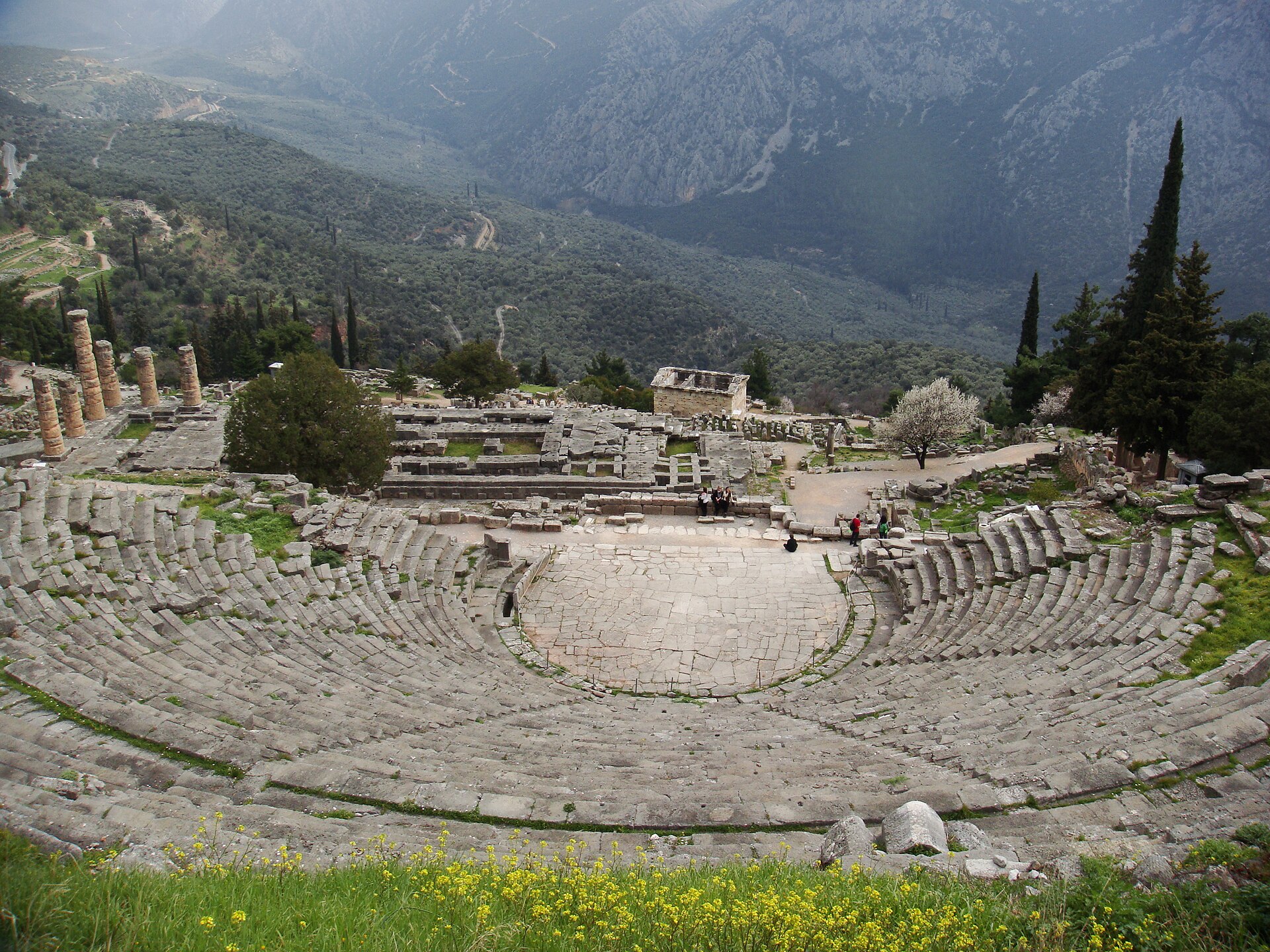
Delphi clings to the steep slopes of Mount Parnassus, and ancient Greeks believed it was the centre of the world. They came to ask the oracle, a priestess who spoke for the god Apollo, about wars, journeys and marriages. Today groups climb past temple ruins to a theatre and an ancient running track.
At Meteora, monasteries perch on top of tall rock pillars. Monks once hauled up food and visitors in nets on long ropes. Further south, Mycenae was the powerful city of King Agamemnon in the ancient legends. Groups enter through the Lion Gate, a massive stone doorway topped by carved lions facing each other.
The theatre of Epidaurus is famous for its sound, since the clink of a coin on stage carries to the highest seats. Nearby, Nafplio charms with seaside lanes below the Palamidi fortress. Ancient Olympia is where the old Olympic Games began. On the way, the Corinth Canal cuts a narrow blue line through solid rock.
Which Greece tour styles work in the mainland?
Small-group tours suit a few friends who separate from the main party for a day and want a guide without hiring a van. Full-day trips from Athens by coach suit large clubs and school groups, since one bus carries everyone. The guide narrates along the road, and nobody has to drive or navigate.
Guided walking tours inside each site suit history enthusiasts who want the stories behind the stones. Entry tickets alone suit groups who prefer to explore at their own pace, with a printed map or a phone app. That flexible choice works well for families with toddlers, who need frequent breaks, snacks and shade.
Multi-day Greece tours with hotel nights fit families and clubs that want Delphi and Meteora in one smooth loop. Bags stay on the coach, and each evening ends in a different town with new streets to explore. For a wider look at routes and options, see this guide to Greece tours from Athens.
What services come with Greece tours in the mainland?
A licensed or local guide makes the biggest difference on the mainland. At Delphi or Mycenae the ruins spread wide across the hillside, and a guide links them into one clear story. Greek law lets only state-licensed guides lead groups inside these sites, so families hear trusted facts in words even children understand.
Entry tickets bundled into Greece tours save precious time at busy entrance gates on summer mornings. One person no longer has to queue, collect money from everyone and hand out tickets to an impatient crowd. The group walks in together while the guide keeps count, which really helps school trips, sports clubs and large families.
Hotel nights on multi-day trips remove the hardest part of group travel, which is finding enough rooms that fit everyone. The rooms sit in the same building, and the coach waits right outside every morning. That lets the group spend its energy on the sights instead of on bookings, maps and phone calls.
How do groups stay on track in the mainland?
Mainland days begin early, so groups should set alarms and eat breakfast before pickup. Long coach rides feel shorter with snacks, a charged phone and a light jacket for the air conditioning. Choose one group leader to count heads at every stop, because coaches depart on time and rarely wait for anyone.
Meteora’s monasteries require modest dress, so shoulders and knees should stay covered. Women are asked to wear a skirt, and wraps are lent at the entrance. Sturdy shoes help on the stone paths at Delphi and Mycenae. Carry plenty of water too, since cafés inside the ancient sites are few and far between.
Where Do Greece Tours Lead Groups On Crete And The Ionian?
Greece tours lead groups to Crete and the Ionian islands for ancient palaces, harbour towns and some of the clearest water in Europe. Rhodes joins this part of the journey for its walled medieval town and clifftop temple. These islands reward groups who plan a few slow days instead of a frantic rush.
What are the top sights for groups in Crete and the Ionian?
On Crete, the palace of Knossos belonged to the Minoans, an early people who ruled the island long before the Parthenon rose. Its painted walls and red columns gave rise to the legend of the Minotaur, a bull-headed monster kept in a maze. Children adore that tale, and talented guides tell it with flair.
Chania old town curves around a harbour with a stone lighthouse and colourful houses. Many date from the Venetian era, when Venice ruled Crete. West of town, Balos is a lagoon of bright turquoise water, and Elafonisi is known for its soft pale pink sand. Both beaches look like postcards come to life.
Rhodes adds the Acropolis of Lindos, a clifftop temple above a white village. The Old Town of Rhodes hides behind massive walls built by knights. Corfu old town mixes Venetian forts with elegant arcades. On Zakynthos, Navagio hides a rusting shipwreck on a white beach, and the Blue Caves glow under the cliffs.
Which Greece tour styles work in Crete and the Ionian?
Private tours with a driver-guide or skipper fit big families and groups of friends who want one car or boat to themselves. The cost is set per group, so a full boat often works out cheaper per person. The day bends to the group’s mood, with longer swims or an extra village stop.
Boat cruises with swim stops are the classic choice here, from Balos to the Blue Caves. They suit almost every age, from lively teenagers to grandparents who prefer the shady deck. Groups who know full-day trips from Athens by coach will find the same easy style on Crete, with one bus and one guide.
Cooking classes and wine tastings suit adult friends and company teams who want a slower, tastier afternoon. Cretan cooks are famous for olive oil, wild greens and little cheese pies. Classes often take place in village homes. These Greece tours give the group a genuine taste of island life beyond the beach.
What services come with Greece tours in Crete and the Ionian?
Lunch or a BBQ meal on board is a highlight of island boat days. Grilled food and fresh salad keep everyone satisfied until dinner. Drinks come included, and on some cruises they are unlimited, so nobody needs to count coins at the bar. Families should check that soft drinks are part of the deal.
A licensed or local guide brings Knossos to life and knows which village tavern serves the best food. Free time to explore matters just as much, because no group of friends or relatives agrees on everything. Some want boutiques in Chania, others want coffee by the harbour, and a planned break lets each person choose.
Wine tastings feature local grape varieties that are rarely found elsewhere, served with olives and fresh bread. Swim stops give the whole group a reason to cheer on hot afternoons, and many island trips bundle these services together. For quieter places to add to the plan, read about these hidden gems in Crete.
How do groups stay on track in Crete and the Ionian?
Island roads look short on a map, yet they wind through mountains and slow everyone down. Groups should leave early for Balos or Elafonisi and agree on a clear return time. Keep a list of names handy for boat crews, and pick a bright group item, like matching caps, to spot each other.
Pack reef-safe sunscreen, swimwear under clothes, a towel and water shoes for the pebbly beaches and rocky coves. Seasickness tablets help on rougher boat days, especially for younger children and older relatives. Carry some cash for village cafés, since small places do not always take cards, and keep phones dry in a sealed pouch.
Where Do Greece Tours Lead Groups In The Cyclades?
Greece tours lead groups across the Cyclades to Santorini, Mykonos, Milos, Naxos and Paros, the white-and-blue islands people picture when dreaming of Greece. Ferries link them with ease, and each island has its own mood, from lively beach bars to sleepy fishing harbours. Groups can easily mix a few in one holiday.
What are the top sights for groups in the Cyclades?
Santorini’s white villages cling to the rim of the caldera, a huge flooded crater left behind by an ancient volcanic eruption. Oia and Fira look straight down at the deep blue sea, and sunset draws crowds to every wall. Groups should claim a viewpoint early or watch the colourful show from a sailing boat.
Mykonos town is a maze of white lanes, built that way to confuse pirates. Little Venice puts houses right on the water, and the windmills stand on the ridge above. A short boat ride away lies Delos, a sacred island where myth says Apollo was born. Its ruins and marble lions cover the island.
Milos has a coastline painted in many colours. Sarakiniko looks like the moon, with smooth volcanic rock, while Kleftiko hides sea caves once used by pirates. On Naxos, the Portara is a giant marble doorway from a temple that was never finished. Paros adds Naoussa, a harbour full of fishing boats and tavernas.
Which Greece tour styles work in the Cyclades?
Private tours with a driver-guide or skipper suit families and friends who want a boat to themselves, priced for the whole group. Small-group tours suit couples within a big party who fancy a quieter day out. Groups short on time can taste the islands on full-day trips from Athens by coach and ferry.
Boat cruises with swim stops sit at the heart of every Cyclades holiday and suit nearly every age group. Snorkel and beginner scuba trips suit teens and sporty adults who want a closer look at fish and sea caves. An experienced instructor stays nearby in the water, which reassures watching parents and nervous beginners.
Cooking classes and wine tastings suit company teams and grown-up groups of friends. On Santorini, vines grow low to the ground, coiled like baskets to shelter the grapes from wind. Tastings there come with sweeping caldera views. These Greece tours add a calm, tasty evening after a busy day out at sea.
What services come with Greece tours in the Cyclades?
Lunch or a BBQ meal on deck is part of most Cyclades boat trips, so nobody goes ashore to eat. Grilled fish or chicken, Greek salad and fresh bread keep hungry swimmers going. Drinks come included, and some cruises pour them unlimited. That suits groups of friends celebrating a birthday or a team win.
Snorkel gear is handed out on board, so nobody needs to pack masks or fins. That matters for families, since smaller sizes often come for children, and for clubs who want everyone in the water at once. Swim stops at caves and coves become the memories groups treasure long after the holiday.
Wine tastings add a grown-up treat to island Greece tours, with wide views across the sea. They stay relaxed, since hosts explain each glass in simple words and nobody needs expert knowledge. Island hopping takes a little care and planning, so start any plan with this guide to Greek islands for first-timers.
How do groups stay on track in the Cyclades?
Ferries run on strict timetables. Groups should reach the port early and keep all tickets on one phone or in one folder. Pick a meeting spot by a landmark, such as a church or a windmill. The meltemi, a strong summer wind, can shake small boats, so check the forecast the night before.
Pack light, because steep island steps and narrow cobbled lanes are tough on rolling suitcases. Bring a hat, sunglasses, a swimsuit, a beach towel and a light cover-up for dinner. Reserve sunset tables on Santorini well ahead, since big groups need plenty of space. Agree on a budget for shared meals before arriving.
Conclusion: Greece Tours For Groups, Planned Well
Good Greece tours for groups start simple. Athens offers the first taste of history, the mainland brings the great ancient sites, and the islands deliver sea, food and sunsets. Matching each stop with the right tour style keeps grandparents, teenagers and friends equally happy. Guides, meals and swim stops then take the stress away.
The best plan leaves room for rest and for happy surprises. Groups should mix one big sight with one easy pleasure each day and keep the evenings free for long, noisy dinners. For a final check before booking, read this guide on choosing the right Greek tour, and Greece will do the rest.
Frequently Asked Questions About Greece Tours For Groups
Where should first-time groups start Greece tours?
First-time groups should start Greece tours in Athens, the capital and main travel hub. The city has the Acropolis, great museums and quick links to the mainland and the islands, so it makes a natural base. Spending the opening days there also lets everyone recover from the journey before longer trips begin.
Are Greece tours from Athens easy to join?
Yes, Greece tours from Athens are easy to join, as most leave from central meeting points or from hotels. Groups can book a private trip or reserve a block of seats on a shared coach. Booking ahead matters in the busy summer months, especially for larger parties that need many seats side by side.
Do Greece tours include hotel pickup?
Many Greece tours include hotel pickup in Athens and on the bigger islands, while others use a central meeting point instead. Private tours almost always collect the group right at its hotel door. Groups should confirm the pickup spot when booking and share it in the group chat so nobody is left behind.
How many Greece tours should a group plan per day?
Most groups enjoy Greece tours more when they plan one main tour a day. A morning site visit pairs well with a lazy, unplanned afternoon by the pool or the sea. Packing two big tours into one day tires out children and older relatives fast, and tempers fray quickly in the summer heat.
Can Greece tours fit a short trip?
Yes, short Greece tours fit a long weekend well when the group stays close to Athens and its coast. A city walk, a boat day and a trip to Cape Sounion fill the available time nicely. Meteora and the distant islands work better on longer holidays, when the travel time feels worth it.
Which month is easiest for Greece tours?
June and September are the easiest months for Greece tours. The sea is warm enough for swimming, the sun is gentler than in high summer, and the popular ancient sites feel calmer. Late May and early October also work well for groups that want cooler, more comfortable walking days at the ruins.
How do first-time groups pick Greece tours?
First-time groups pick Greece tours by matching the pace, size and interests of the whole party, then choosing a shared, private or escorted format. A quick group survey settles most debates before they start. It also reveals who needs extra comfort, shade or rest along the way.
What should the group agree on before booking?
Every group needs a short list of shared goals before anyone books a thing. Some members dream of ancient ruins, others want beaches, and a few only care about long lunches. Writing these wishes down turns vague chatter into a clear brief for choosing Greece tours.
Fitness matters as much as interests. A family with grandparents and toddlers needs gentle walks and plenty of shade, while a sports club can climb hills all morning. Honest answers about stamina help the organiser pick Greece tours that leave nobody behind or bored.
Budget belongs in the first talk as well. Some members can spend freely, while students and young families watch every coin. Agreeing on a comfortable level for Greece tours keeps the plan fair and stops anyone from quietly dropping out.
It also helps to name one organiser early. That person gathers answers, tracks bookings and speaks to tour providers with one clear voice. This guide for group organisers explains the role step by step, from first ideas to final payments.
Which tour format suits the group best?
Shared small-group trips suit friends who enjoy meeting new people and want a lower cost per head. Private trips suit families and company teams that prefer their own schedule and space. This overview of small-group and private experiences compares both formats clearly.
Escorted Greece tours keep the same guide with the group across several days and towns. They suit clubs and older relatives who would rather not handle hotels, transfers or tickets. Groups weighing routes can study these escorted tour itineraries before deciding.
Families with young children often prefer Greece tours with flexible stops for snacks, naps and playgrounds. These family-friendly Greece travel tips cover the extra planning that little ones need. Shorter days and loose plans keep both parents and children smiling.
Company teams have one more choice to make. Some want Greece tours that build team spirit, such as a shared cooking session or a boat day, while others want pure relaxation. Asking the team first avoids a plan that feels like extra work.
Why do groups book guided Greece tours early?
Groups book guided Greece tours early because licensed guides, large vehicles and cool morning slots fill up fast in busy seasons. Early booking keeps the whole party on one tour, while late planners often end up split across different days or vehicles. That defeats the point of travelling together.
What runs out first for large groups?
Licensed guides run short before anything else. Greek law reserves guiding inside archaeological sites and museums for state-licensed guides, and the most popular ones fill their calendars well ahead. A group that waits ends up with whoever is still free.
Vehicles come next. A minibus or a full-size coach is harder to find than a car, especially on days when cruise ships crowd the ports. Booking Greece tours early secures the right size, so nobody squeezes into a cramped back row.
Cool morning slots at the busiest sites also vanish quickly. Groups that book late often get the hottest hours, which tire children and older relatives. Early starts on guided Greece tours bring shorter queues, softer light for photos and calmer viewing for everyone.
Popular boat days and cooking classes fill quickly too, because they limit numbers for safety and space. A large group needs many places on the same day. Reserving early is the only reliable way to keep everyone on board together.
How does early booking help the group prepare?
Once Greece tours are confirmed, the organiser can share a clear plan with every member. People know when to wake up, what to wear and how much walking lies ahead. That calm preparation cuts down on last-minute stress and grumbling.
Early plans also leave time to read safety tips for Greece tourists, such as guarding bags in crowds and drinking enough water. Guides on Greece tours add their own local advice on the day. Together, that keeps the group relaxed and alert.
Packing gets simpler as well. Members who know the plan can follow advice on packing light for island tours and leave bulky bags behind. Small day packs make boat steps, bus aisles and ancient paths far easier for the whole group.
Early booking also protects the budget. Last-minute choices shrink fast, and a late group often has to pay for a pricier private option instead. Locking in Greece tours early keeps shared spending predictable for everyone.
How do groups fit Greece tours around meals?
Groups fit Greece tours around meals by following the Greek rhythm of a light breakfast, a late lunch and an even later dinner. Morning tours end just before hunger strikes, which leaves a long, relaxed lunch as the reward. It also keeps tempers sweet on hot days.
When do Greeks eat, and why does it matter?
Greek lunch often starts in the early afternoon, and dinner rarely begins before dark in summer. Groups used to early meals can feel hungry and cranky on Greece tours that ignore this rhythm. Packing fruit, nuts and crackers bridges the gap nicely.
Morning tours pair well with a big lunch at a village tavern afterwards. Afternoon tours work better after a light meal, so nobody feels sleepy on the bus. Sunset trips fit neatly before a late dinner, which locals treat as the main social event of the day.
Water and coffee breaks deserve a place in the plan as well. A mid-morning stop at a village café gives everyone a chance to rest, use clean restrooms and grab a cold drink. Guides on Greece tours know which cafés welcome big groups.
Table habits differ a little too. Meals are slow, dishes are shared, and rushing the waiter for the bill can seem rude. A quick read of Greek cultural etiquette helps groups feel at ease around long tables with local hosts.
How do groups order food together on tour?
Sharing plates is the easiest way for groups to eat on Greece tours. Dips, salads and grilled dishes go in the middle, and everyone helps themselves. This guide to Greek food to try on tour lists favourites worth ordering at the first group dinner.
Large groups should call ahead, since many tavernas run small kitchens. A guide on Greece tours can often make that call and suggest a set menu, which arrives faster and costs less per head. Dietary needs are far easier to handle with a little warning.
Learning a few Greek phrases adds warmth to every meal. A simple greeting or thank-you in Greek earns smiles from cooks and waiters. Children love trying the new words, which turns an ordinary dinner into a small adventure on Greece tours.
How do groups share costs on Greece tours?
Groups share costs on Greece tours by agreeing a simple rule before the trip: split shared items equally and pay personal extras separately. One person tracks spending in a shared app. Everyone then settles up at regular points rather than all at the end.
What should the group split, and what should each person pay?
Clear rules prevent awkward moments at the end of a long day. Shared costs for Greece tours usually cover the vehicle, the guide and any boat hire. Personal extras, such as souvenirs or an extra cocktail, stay with the person who chose them.
- Split equally: transport, guide fees and boat hire.
- Split equally: shared plates at group meals.
- Pay separately: personal drinks, snacks and souvenirs.
- Pay separately: optional activities and upgrades.
- Agree in advance: tips for guides and drivers.
Private Greece tours often become the cheapest choice per person once a group fills every seat. This guide to personalised private tours explains how group pricing works. Big families gain the most, since one fee covers parents, grandparents and children alike.
How do groups keep money stress low?
A shared expense app records each payment the moment it happens. Members can check the running balance and settle up whenever they like, without long sums at the end. That openness keeps friendships safe on even the longest Greece tours.
Setting a daily spending range helps groups with mixed budgets. Some evenings can be simple souvlaki nights, while others become a special seafood dinner. These budget tips for Greece visitors show how to travel well for less without anyone feeling left out.
Cash still matters in small villages and on some boats. One person can hold a group kitty for tips, snacks and small extras. Topping it up at agreed points keeps Greece tours running smoothly and avoids awkward requests in the middle of a day out.
Company groups often handle costs differently. The employer usually covers the main Greece tours, while staff pay for their own extras in free time. Writing that rule into the welcome email stops confusion before anyone reaches for a wallet.
Which Greece tours start from Athens?
Most Greece tours start from Athens, where coaches, guides and boats gather each morning for the Acropolis, Delphi, the Peloponnese and nearby islands. The capital offers the widest choice and the simplest logistics. It suits groups spending their first days in Greece before heading anywhere else.
Where do Athens tours meet the group?
City walks usually meet at a central square or close to the Acropolis entrance. Coach day trips collect groups from central hotels or from a fixed point on a main avenue. Private Greece tours from Athens send a driver straight to the hotel lobby, which saves big groups a crowded walk.
Boat Greece tours leave from the huge port of Piraeus or from smaller harbours along the Athens coast. A transfer bus often links central hotels with the right quay. Groups should confirm which gate their boat uses, since Piraeus spreads across a long and very busy waterfront.
Big groups move faster on Greece tours with a simple routine on departure mornings. Everyone eats breakfast early, waits in the lobby together and keeps phones charged for the guide’s messages. One person holds the booking details in case the driver calls ahead.
Which day trips work best from the capital?
Delphi, the Peloponnese and Cape Sounion are classic Greece tours from Athens. Coaches reach the ancient theatre of Epidaurus and the old town of Nafplio in one long but comfortable day. Delphi pairs well with a lunch stop in Arachova, a mountain village known for woven rugs and local cheese.
Island cruises are the other favourite. One boat visits the Saronic islands of Aegina, Poros and Hydra, where cars are banned and donkeys still carry goods up the lanes. These island tours from Athens suit families who want sea air, swims and island lunches without changing hotels.
Greece tours to Meteora make a very long day by coach or train. An overnight stay feels kinder to children and older relatives. Groups wanting more variety can browse these day trip ideas from Athens, from quiet beaches to mountain villages and wine country.
Which Greece tours start from the islands?
Island Greece tours start from local ports and main towns, where boat trips, village drives and island hopping routes leave each morning. Groups based on one large island can see a whole region without flying. A well-chosen base keeps daily travel short and pleasant.
What can groups do from a single island base?
Crete feels like a small country of its own. From Heraklion, Chania or Rethymno, Greece tours reach Knossos, the Samaria Gorge and the island fortress of Spinalonga. Each fits into a single day out, so a group can keep one hotel for the whole stay.
Greece tours on Santorini and Mykonos run mostly by sea. Caldera boats leave from the old port below the cliffs, while small ferries carry groups from Mykonos to the sacred ruins of Delos. Rhodes and Corfu add day boats to neighbours such as Symi and Paxos, with bright harbour houses and clear coves.
Sailing Greece tours suit groups who want the sea as the main stage. A skipper handles the boat while everyone swims, snorkels and eats lunch on deck. Groups who fall in love with this style can read about sailing holidays in Greece and plan a longer voyage next time.
How do island hopping tours move a group?
Island hopping Greece tours link several islands by ferry, with hotels and luggage transfers arranged at each stop. The Cyclades suit this style best, because the islands sit close together. This primer on Greek island hopping shows which combinations flow well for first visits.
Ferries range from big, steady car ferries to faster, smaller boats that bounce more on windy days. Groups with nervous sailors should pick the larger ships and sit low in the middle. These tips for ferry travel cover seats, luggage and seasickness in plain terms.
Flights also link the large islands with Athens, which helps when a group wants Crete and Santorini on one trip. This guide to travelling between Greek islands compares ferries, flights and smart routes. Mixing both keeps Greece tours moving without long, tiring days at sea.
Luggage is the hidden challenge of island hopping with a crowd. Organised Greece tours often move bags between ferry and hotel, so members only carry a day pack. Groups planning alone should pack light and label every case with the same bright tag.
Which Greece tours start from cruise ports?
Cruise port Greece tours start right at the pier and are timed to bring groups back well before the ship sails. Piraeus, Katakolo, Heraklion, Corfu, Mykonos, Santorini and Rhodes are the classic stops. Each offers short, focused trips that fit a single day in port.
What do shore tours cover at each port?
From Piraeus, Greece tours head straight to the Acropolis and the old Plaka district before lunch. At Katakolo, a short coach ride leads to Ancient Olympia, where athletes once competed in honour of Zeus. Passengers docking at Heraklion usually choose the palace of Knossos and the city’s museum.
Corfu shore days mix the old town with the green cliffs and bays of Paleokastritsa. In Mykonos, groups wander the white lanes or take a boat to Delos. On Rhodes, the choice is the walled medieval town or the clifftop acropolis at Lindos.
Santorini works differently, since big ships anchor offshore and small tender boats carry passengers to the old port below Fira. Groups then ride the cable car up the cliff. Shore Greece tours booked through the ship often get priority tender places, which saves precious time.
Other ports open the mainland too. Ships calling at Nafplio give quick access to Mycenae and Epidaurus, while Itea sits on the coast just below Delphi. Greece tours from these smaller ports feel calmer, since fewer passengers pour ashore at the same moment.
How do cruise groups avoid missing the ship?
The ship’s departure time rules every decision on shore. Good Greece tours build in a safety margin and watch traffic on the way back to the port. Each member should still carry a small kit ashore, just in case.
- The cruise card and a photo ID.
- The port agent’s phone number.
- Comfortable shoes for marble and cobbles.
- Water, sunscreen and a sun hat.
- Some cash for coffee and small purchases.
Private guides keep an eye on the clock, so the group can relax and enjoy each stop. If traffic builds, they switch to a quicker route or trim a stop. That calm control is the main reason many cruise groups book private Greece tours.
Groups staying on after a cruise ends in Piraeus often add island days by ferry. These Greek ferry booking tips help them find seats together. Others explore Athens on their own, and this guide to Greece by public transport covers the metro ride from the port to the centre.
Which Greece tours start from Thessaloniki?
Northern Greece tours start from Thessaloniki, a lively port city close to Mount Olympus, the royal tombs of Vergina and the Halkidiki beaches. Thinner crowds and famous food make it a smart base. It suits groups who have already seen Athens and want something fresh.
What do groups see in and around the city?
Greece tours in Thessaloniki often begin with a guided walk. The White Tower stands on the long seafront, while the Rotunda and the Arch of Galerius recall Roman emperors. Old Byzantine churches, built under the Greek-speaking empire that followed Rome in the east, glow with gold mosaics.
Above the centre, the upper town keeps old walls, quiet lanes and wide views over the bay. Food walks are popular too, since the city is famous for bougatsa, a flaky filled pastry, and noisy markets. This Thessaloniki city guide covers the neighbourhoods worth a group stroll.
Day Greece tours from the city reach Vergina, where the tomb of King Philip, father of Alexander the Great, lies under a grassy mound. Pella, birthplace of Alexander, shows fine pebble mosaics on its floors. Children enjoy hearing how a young prince built such a vast empire.
Which longer routes start in the north?
Mount Olympus, home of the ancient gods in myth, rises close to the coast. Greece tours walk forest trails near the village of Litochoro with a guide who knows the paths. These scenic drives in mainland Greece include northern roads that suit a coach tour.
Meteora also works well as one of the Greece tours from Thessaloniki. Some groups ride the train toward Kalambaka, the town below the rocks, enjoying wide views of the plains. This guide to scenic train rides in Greece shows how travel days can become part of the fun.
Halkidiki offers sandy beaches and pine forests for slower days between sightseeing. Boat cruises along Mount Athos show monasteries clinging to cliffs, seen from the water. Mixed groups enjoy this cruise, since only men may visit the monasteries on land.
Northern Greece tours also suit groups who love nature. The waterfalls of Edessa and the bird-filled Lake Kerkini make gentle, scenic outings. Both offer shade, easy paths and cafés, which keeps grandparents and children equally happy.
Which places do Greece tours for first-time groups reach?
Greece tours for first-time groups reach the Cyclades, the mainland’s ancient sites and the large islands, mixing famous ruins, beaches and lively towns. Each region suits a different mood and pace. Many groups link a mainland start with an island finish, which gives the trip a natural rhythm.
Cyclades
The Cyclades are the classic white-and-blue islands scattered across the Aegean Sea. Greece tours here centre on boat days, sunset views and long harbour lunches. Ferries link the islands easily, so groups can pair a lively island with a quieter, greener neighbour for balance and rest.
- Santorini – cliff-top villages, blue domes and sunsets over a sunken volcano.
- Mykonos – whitewashed lanes, hilltop windmills, beach clubs and the waterfront Little Venice.
- Naxos – the Portara temple doorway, mountain villages and long sandy beaches.
- Paros – pretty Naoussa harbour, whitewashed Lefkes village and calm, easy beaches.
- Milos – lunar white cliffs at Sarakiniko and pirate caves at Kleftiko.
Mainland
The mainland holds the great sites of ancient Greece, and many sit within reach of Athens. Greece tours by coach or private van link them along good roads with fine mountain views. Guides bring the old stories to life, which keeps children and adults equally curious.
- Athens – the Acropolis, the Parthenon and lively streets in Plaka.
- Delphi – the oracle’s sanctuary, where ancient Greeks sought advice from Apollo.
- Meteora – cliff-top monasteries balanced on huge stone towers.
- Olympia – the birthplace of the ancient Olympic Games and its stadium.
- Mycenae – the Lion Gate and royal tombs linked to Homer’s heroes.
Large islands
The large islands feel like small countries, each with its own food, history and scenery. Greece tours here mix beaches with old towns, mountain villages and boat trips along the coast. Groups often stay in one hotel and explore a different corner each day, which saves packing time.
- Crete – the ancient palace of Knossos, wild gorges and pink-sand beaches.
- Rhodes – knights’ castle walls in the old town and hilltop Lindos.
- Corfu – a graceful old town, seaside fortresses and olive-covered green hills.
- Kefalonia – Myrtos beach, the Melissani cave lake and quiet fishing villages.
How do groups plan Greece tours over five days?
Groups plan Greece tours over five days with two Athens days, a day at Delphi or Mycenae, and two island days. This simple shape balances history, travel and rest. It also keeps hotel changes and long transfers to a minimum, which matters with children and older relatives.
How do groups spend two days in Athens?
The first morning of most Greece tours belongs to the Acropolis, ideally with an early entry and a licensed guide. A licensed guide explains how the temples were built and what each one meant. After the climb, the Acropolis Museum offers shade, cool air and the original statues.
The afternoon suits a slow walk through Plaka and Monastiraki, with a long lunch in between. Groups arriving tired from flights should keep the opening day of their Greece tours light. A rooftop dinner with an Acropolis view ends the evening on a high note.
The second day can head to the coast. A boat trip to the Saronic islands or a sunset drive to Cape Sounion gives everyone a break from city streets. Families with teenagers often prefer the boat, while history fans pick the temple above the sea.
Groups that want their own pace can follow a self-guided itinerary plan for parts of these days. Mixing guided and free time keeps Greece tours fresh, and each member can choose a museum, a market or a swim. That freedom stops the city from feeling like homework.
Evenings in Athens are made for sharing. Groups can book a long table in a lively taverna, hear live Greek music or stroll the lit-up streets below the Acropolis. Greece tours that leave evenings free let friendships grow as much as knowledge.
Should the middle day go to Delphi or Mycenae?
The middle day of these Greece tours goes to one great ancient site outside Athens. Delphi suits groups who love mountain scenery and the oracle, a holy woman who gave advice in Apollo’s name. Mycenae suits groups who prefer legends of warrior kings and heroes.
Greece tours to Delphi often stop for lunch in a pine-scented mountain village with views across the valley. A Mycenae day usually adds the great open-air theatre at Epidaurus and a seaside stroll in Nafplio. Both make a rich, rewarding outing by coach or private van.
Families with young children often choose Mycenae, since Nafplio’s seafront offers an easy place to unwind afterwards. Older relatives enjoy Delphi’s museum and its famous bronze statue of a chariot driver. Either way, Greece tours on this day need water, hats and snacks for everyone.
A guide matters most on these Greece tours, since bare ruins say little on their own. Good guides rebuild fallen walls into palaces, temples and busy markets in everyone’s imagination. Children especially enjoy the myths of gods, monsters and brave heroes told right where the stories are set.
Early starts on mainland Greece tours beat both the heat and the coach crowds. Groups should agree on a meeting time at each stop and stick to it. A short rest on the coach afterwards keeps everyone fresh for dinner back in Athens.
How do groups spend two days on an island?
The final days of these Greece tours trade ruins for sea and sunshine. Santorini, Mykonos, Naxos and Paros all work well, each reached by ferry or a short flight from Athens. This guide to the best Greek islands to visit helps groups find the right match.
Transfer day from Athens to the island needs an early start, since ports fill up quickly. A fast ferry suits calm weather, while a short flight helps groups with seasick members. Packing the night before keeps that busy morning calm and cheerful for everyone.
The first island day suits a boat trip with swim stops and lunch on deck. Everyone can snorkel, sunbathe or simply watch the rocky coast slide past. That evening, a harbour taverna with fresh fish makes a perfect setting for a lively group dinner.
The second island day should stay loose and unhurried. Some members want the beach, while others want a village walk, a cooking lesson or a wine tasting. Greece tours work best when groups split up for a few hours and meet again at sunset.
Groups with extra time can stretch these Greece tours using an Athens, Santorini and Mykonos itinerary. Shorter trips can borrow its best ideas instead. Either way, Greece tours that end on an island send everyone home rested.
More questions about Greece tours for groups
Groups ask practical questions about Greece tours, from meeting points and sore knees to lunch breaks, early exits, guide thanks and bags. The short answers below keep every member comfortable, confident and ready to enjoy each day.
Can groups meet the guide at a central point on Greece tours?
Most Greece tours let groups meet the guide at a central point, such as a main square, a metro exit or a hotel lobby. The guide usually shares a map pin or a photo of the exact spot. Arriving a little early keeps the start calm for everyone.
Are Greece tours fine for people with sore knees?
Many Greece tours suit people with sore knees, as long as the group picks routes with gentle paths, few steps and regular rests. Ancient sites often have uneven marble and steep slopes, so a walking stick helps. Private tours can also drop members close to each entrance.
Do Greece tours give time for lunch?
Full-day Greece tours almost always include a lunch break, either at a taverna on the route or as a meal on board a boat. Shorter morning tours usually finish in time for lunch back in town. Groups with special diets should mention them when booking.
Can groups leave Greece tours early?
Groups can leave Greece tours early on private trips, but shared coach tours rarely stop to drop people off before the final return point. Anyone who needs to leave early should tell the guide at the start. Private drivers can usually arrange a drop at the hotel instead.
How do groups thank a great guide on Greece tours?
Groups thank a great guide on Greece tours with warm words, a pooled tip and kind feedback shared online after the day. One person can collect the tip discreetly during the final stop. A small gift from home, such as local sweets, also brings a smile.
Which bag suits Greece tours best?
A small, light backpack suits Greece tours best, since large bags are often refused at ancient sites and museums and are tiring to carry. It should hold water, sunscreen, a hat and a light layer for breezy boats. A zip pocket keeps phones and cash safe in crowds.
See more in Ximikes Toualetes WC: